


Built in Brooksville, Florida
352-799-2599Custom stator winding and assembly in Brooksville
The stator is where a motor's winding, insulation and heat path are decided, so we wind and assemble it ourselves, alongside the machining and testing around it.
Wound to your drawing, or to replace a part you can no longer source
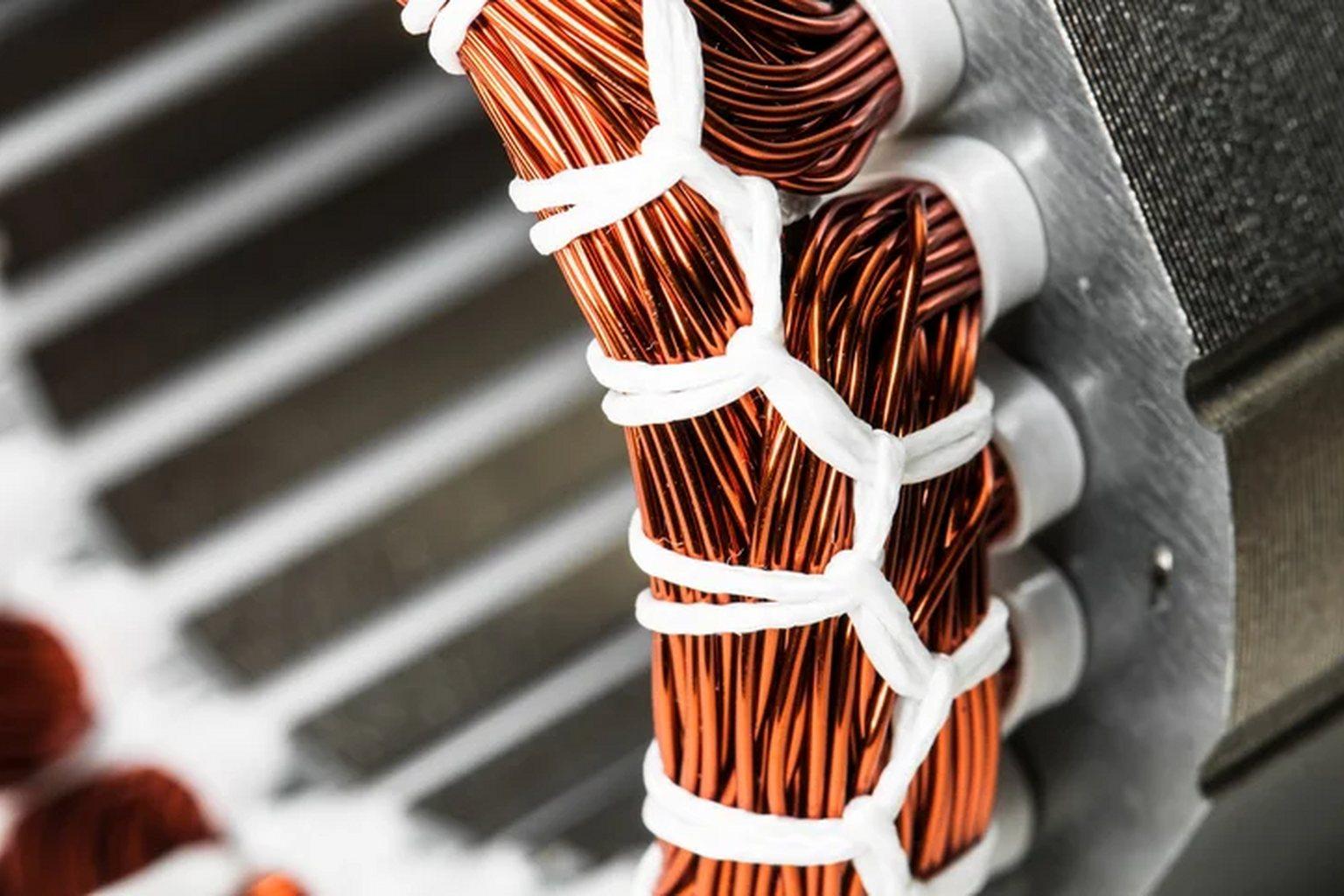
What does a stator do in an electric motor?
It is the stationary part that carries the windings and makes the field that drives the rotor. Its core is a stack of thin, insulated electrical steel laminations, which cut eddy-current losses; the winding runs through channels between the teeth.
In a brushless motor, the rotor turns inside the field created by the stator.
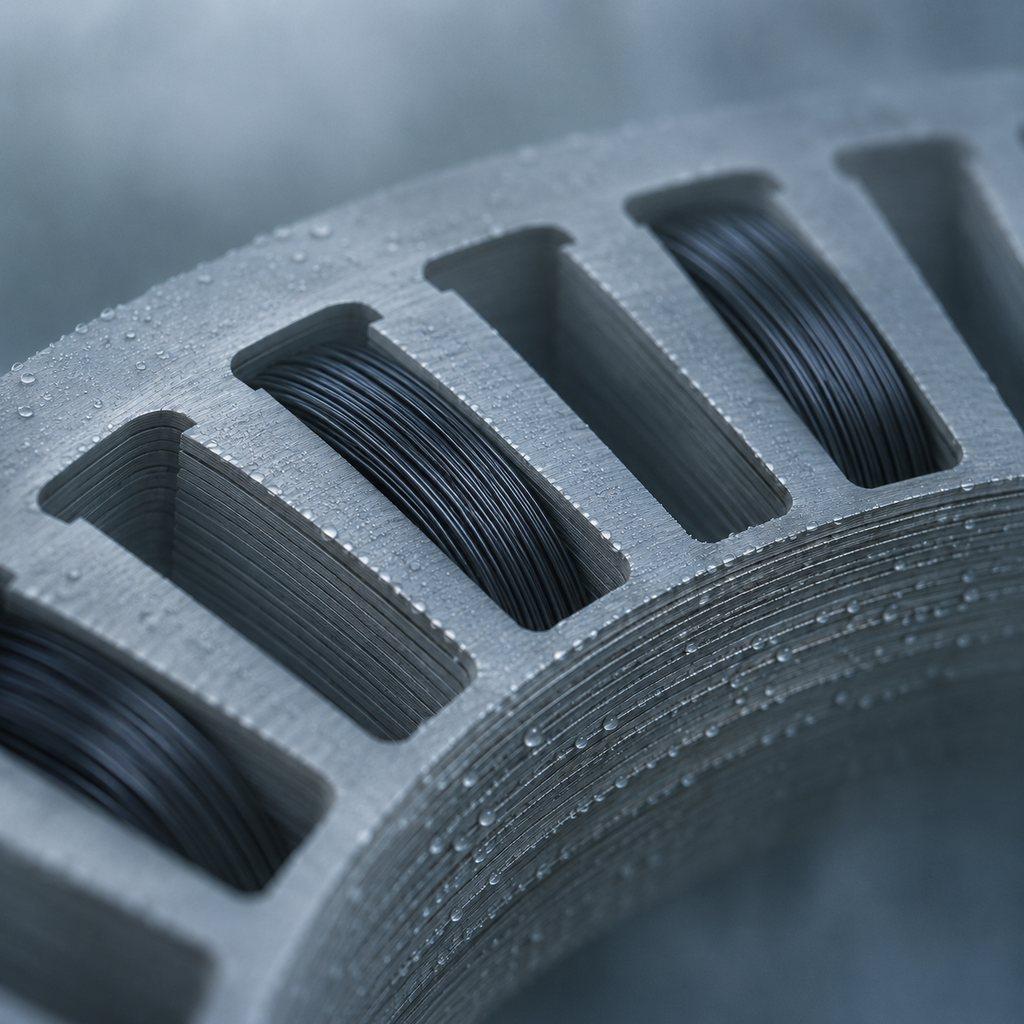
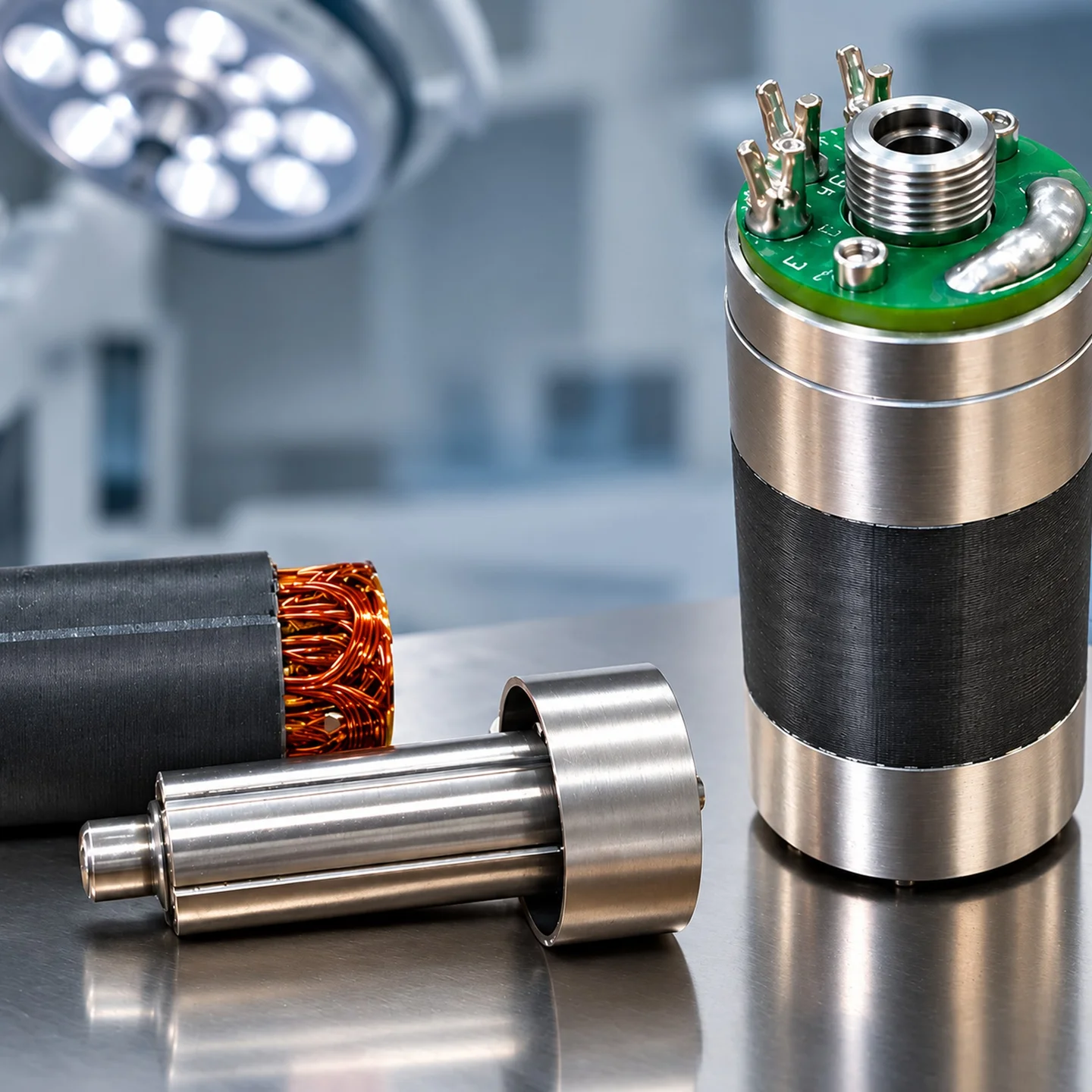
How is a wound stator built?
Broken winding insulation is the main weakness of a stator, so every stage protects the next. We complete every stage in-house.
Lamination stack
Thin electrical steel sheets stacked into the core. We make lamination stamping tools by wire EDM.
Insulation
Channels and teeth are insulated before any wire goes in.
Winding
Coils laid through the channels; narrow multipole channels can be needle wound onto insulated teeth.
Impregnation or encapsulation
Vacuum varnish stops wires rubbing through their insulation; resin packing or over-molding guards against corrosion.
Test
A dielectric withstand, or hipot, test checks the insulation on new equipment.
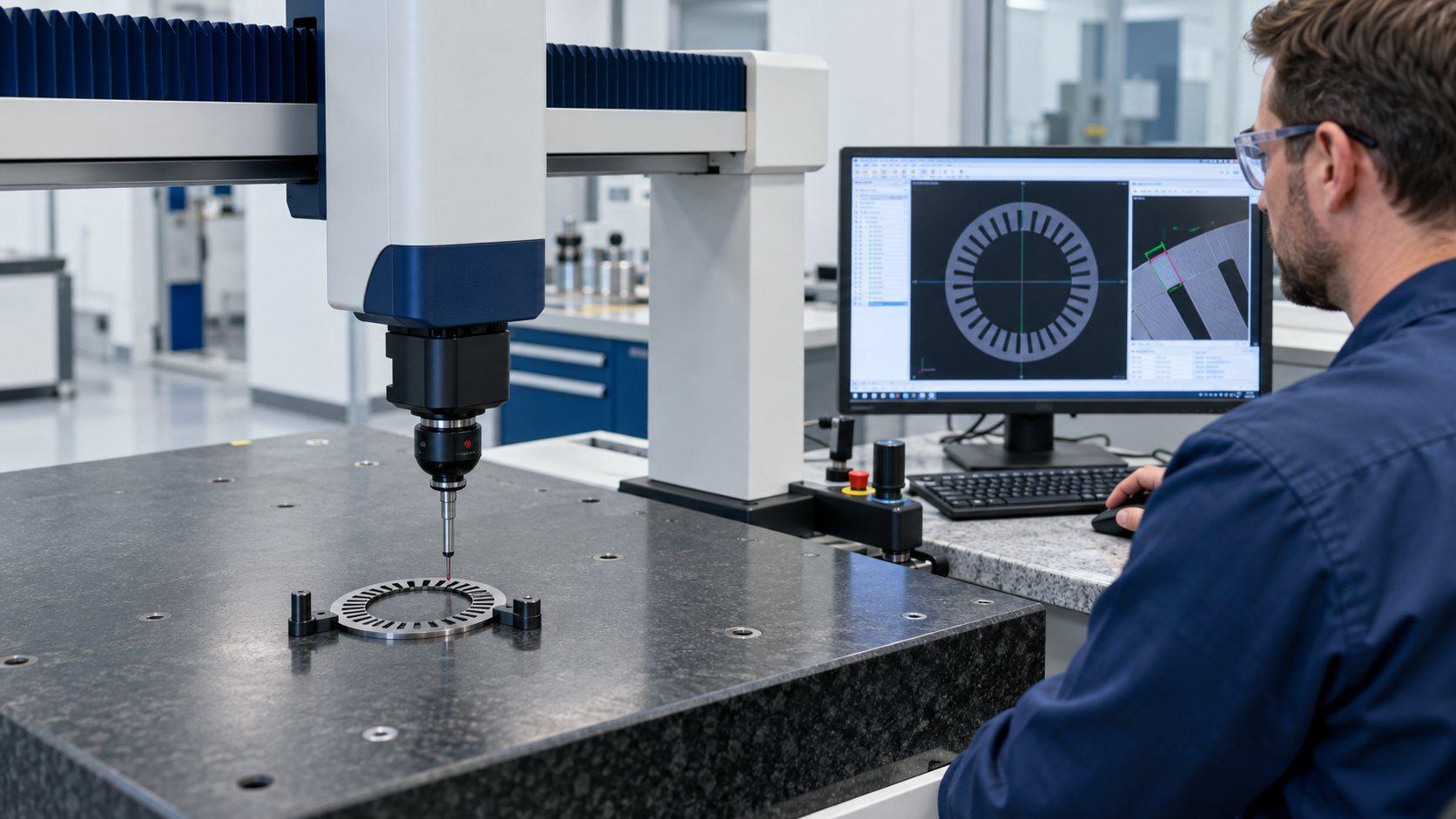
Why in-house stator winding matters to a buyer
When winding, over-molding, machining and testing sit with one team, the steps that decide whether a stator holds up stay under control, unit to unit.
Winding and assembly
Built here, not sourced out.
Injection over-molding
Material processing done in-house to protect windings and assemblies.
Precision machining
Components and lamination tooling made in the same facility.
Product testing
Parts are tested before they leave the facility.
Wind to your drawing, replace an obsolete stator, or design a new one
Build-to-print
Send the drawing and winding specification, and we manufacture to it.
See build-to-printReverse engineering
When the original source is gone or offshore, we work from the stator or motor you have.
See reverse engineeringCustom design
When the stator belongs to a new motor, we design it with the rotor, the housing and the controller.
See brushless motors
What to send with a stator inquiry
Send what you have. Gaps are fine at the start.
- Drawing or sampleThe print, or the stator or motor you need replaced.
- Lamination stackThe core geometry and material, if known.
- Winding detailsThe connection, wire and turns you work to.
- ProtectionImpregnation, encapsulation or over-mold needs.
- TestingThe insulation and electrical checks your specification calls for.
- Quantity and stageA quantity range, and prototype or production.
Stator questions
Can you wind a stator to our drawing?
Yes. Build-to-print is one of the ways we work: you supply the drawing and we manufacture to it.
Can you replace a stator we can no longer source?
Through reverse engineering we work from the part you have, whether it came from an offshore source or has been discontinued.
How is stator insulation tested?
A dielectric withstand, or hipot, test is a common factory test of insulation on new equipment. Tell us the tests your specification requires and we'll discuss how they fit the build.
Do you build the complete motor as well?
Yes. We build custom brushless permanent-magnet motors and the controllers that drive them.
Why is a stator core made of laminations?
Thin insulated sheets of electrical steel reduce the losses caused by circulating eddy currents, compared with a solid core.
Where are your stators wound?
In-house at our facility in Brooksville, Florida.
Describe the stator you need
Send the drawing, the sample or a short description and the quantity range. We'll review it and reply with the questions that matter for the build.